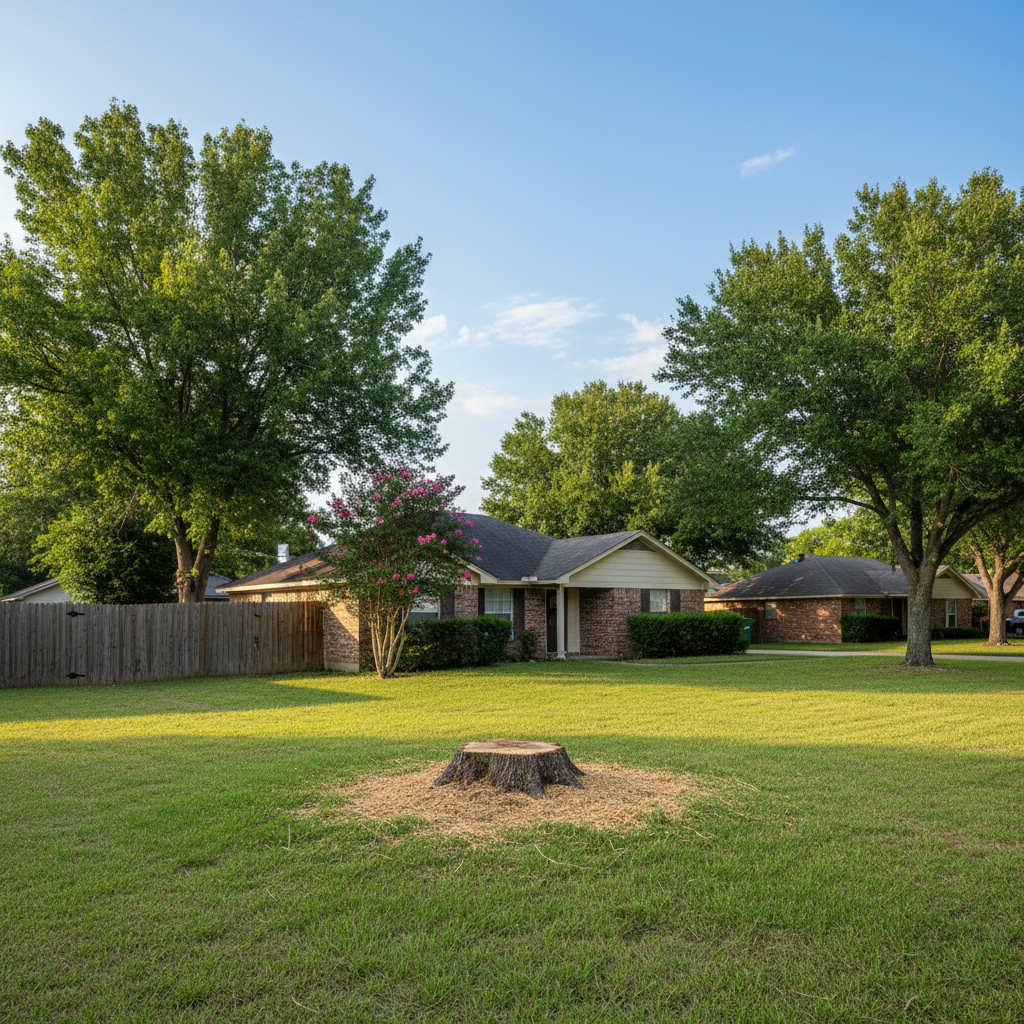
So, you've got a tree that needs to come down, and the first thing that probably pops into your head is, "How much is this going to set me back?" Fair question. And honestly, it's rarely a simple, one-size-fits-all answer. But I'm going to lay it all out for you, straight from someone who's been doing this kind of work right here in Lake Jackson for a good long while. You'll get a solid idea of what drives the price up or down, what to look for in a quote, and how to make sure you're getting a fair shake.
What Makes Tree Removal Prices Go Up or Down?
When I give someone a quote, I'm not just pulling a number out of thin air, you know? There are a bunch of things I check out that directly affect how much effort, time, and gear it'll take to safely get that tree on the ground. Here's a quick rundown:
Tree Size: This is probably the biggest deal. A small, 15-foot ornamental tree is a world apart from a massive 80-foot oak. Taller, wider trees mean more wood to cut, more branches to haul away, and often, we'll need more specialized equipment, like a crane or a bucket truck. Expect the base price to climb with every foot of height and diameter.
Location and Accessibility: Is the tree sitting in your front yard with clear access for our truck and chipper? Or is it squeezed between your house, your neighbor's fence, and a shed in the backyard? Tight spots, obstacles, and tough terrain (like a sloped yard or soft, wet ground after one of those Brazos River floods) make the job harder and riskier. Sometimes, we have to climb the tree and lower sections by rope, piece by piece. That takes way more time and skill than just felling it outright.
Tree Condition: A healthy, stable tree is one thing. A dead, diseased, or storm-damaged tree? That's a whole different ballgame. Dead trees can be brittle and unpredictable, making them much more dangerous to climb and cut. If it's leaning precariously towards your house, that's an immediate red flag, right? And a higher risk factor. We've certainly seen plenty of trees around the older parts of Lake Jackson, like in the Lakeview neighborhood, that are old and decaying, and those definitely need extra caution.
Type of Tree: Some trees are just denser and heavier than others. A tough hardwood like an oak or pecan will take more effort to cut and process than a softer pine or a palm. Plus, some trees have really complex branching structures that demand more careful planning.
Cleanup and Debris Removal: Do you just want us to drop the tree and leave the mess? Or would you prefer every twig chipped, the logs hauled away, and your yard looking like we were never even there? Most folks opt for full cleanup, which means chipping branches, cutting logs into manageable pieces, and hauling everything off. Stump grinding is usually an extra service, too.
Typical Tree Removal Cost Ranges in Lake Jackson
Alright, let's talk about some actual numbers. Just remember, these are general ranges, and your specific situation could land on either the lower or higher end.
Small Trees (under 25 feet): Think little ornamental trees, young fruit trees, or smaller palms. You're probably looking at anywhere from $200 to $700. These are usually pretty straightforward removals, thankfully.
Medium Trees (25-50 feet): This category covers a lot of common residential trees. For these, expect to pay between $500 and $1,500. If it's really close to a structure or has some tricky branches, it'll likely be on the higher side.
Large Trees (50-75 feet): Now we're getting into some serious stuff. Big oaks, tall pines. Prices here can range from $1,000 to $2,500. Accessibility and how close they are to buildings become even bigger factors at this size.
Very Large/Hazardous Trees (over 75 feet or high risk): These are the monsters, or trees that are severely damaged and dangerous. These jobs often require specialized equipment like cranes and a bigger crew. You could be looking at $2,000 to $5,000+. If a tree has fallen on your house or it's an emergency removal, that's also going to push it to the higher end because of the urgency and complexity.
Just so you know, these numbers usually include the basic removal and hauling away of debris. Stump grinding is typically an extra $100-$400, depending on how big the stump is.
What Should a Good Quote Include?
When you get a quote from All Things Tree Company — or any reputable company, for that matter — it should be clear and detailed. Here's what you really want to see:
Detailed Scope of Work: Exactly which trees are coming down? What's getting trimmed? What's staying? Is stump grinding part of the deal or a separate charge?
Cleanup Plan: Will they chip all the debris? Haul away logs? Rake the area clean? Make sure they spell it out.
Total Cost: A clear, all-inclusive price. No hidden fees, please.
Proof of Insurance: This is HUGE. Make absolutely sure they have liability insurance and worker's compensation. If they don't, and someone gets hurt or your property gets damaged, you could be stuck with the bill. Don't even think about hiring a company that can't show you this.
Timeline: When do they expect to start and finish the job?
How to Avoid Overpaying (and Getting Scammed)
You don't want to get ripped off, and frankly, I don't want to see that happen to you. Here's my best advice:
Get Multiple Quotes: Always get at least three quotes from different, reputable companies. This gives you a good baseline for what the job should actually cost.
Check References and Reviews: Look online, ask around. What do other people say about their work? Are they reliable? A little digging goes a long way.
Don't Just Go for the Cheapest Bid: If one quote is way, way lower than all the others, be suspicious. They might be cutting corners, not insured, or planning to tack on costs later. Quality work, especially with something as dangerous as tree removal, isn't always the cheapest — and for good reason.
Ask About Insurance: I already said it, but it's worth repeating. Ask for proof of insurance. A legitimate company will be happy to provide it, no questions asked.
Avoid Door-to-Door Solicitors: Be super cautious of people who just show up at your door, uninvited, especially after a storm, offering cheap tree work. Many are fly-by-night operations that do shoddy work and then just disappear.
Getting a tree removed isn't a small decision, and for most people, it's definitely not a DIY project. It's dangerous work that needs skill, the right equipment, and insurance. Do your homework, ask the right questions, and you'll find a good, fair company to get the job done right.